Unique flavors and cooking techniques in Bulgarian cuisine
Bulgarian cuisine is a blend of various culinary traditions and influences from the surrounding regions, from the Ottoman Empire to Greece. Bulgaria's rich agricultural tradition and fertile soil have led to an abundance of fresh, local ingredients that form the basis of Bulgarian cuisine.
Bulgarian cuisine is known for its unique flavors and cooking techniques. One of the most striking features is the use of ceramic pots. These pots are used to slow cook stews and other dishes, intensifying the flavors.
Another unique cooking technique is roasting meat over an open fire, known as 'meat under the bell'. The meat is slowly cooked under a bell-shaped lid, which keeps it tender and juicy.
Bulgarian eating habits: everything you need to know
Bulgaria is known for its yoghurt. Yoghurt is an important part of Bulgarian culture.
Bulgarian yoghurt is unique in the world. The bacteria that enables yoghurt to be produced from milk is only found in Bulgaria and is therefore named after the country: Lactobacillus Bulgaricus.
Yoghurt is produced throughout the country. Take, for example, the village of Momchilovtsi, which gave its name to a Chinese yoghurt brand.
You can't escape it in the supermarket: there are dozens of different varieties!
If you're in Bulgaria, be sure to try the delicious yoghurt.
You can also find many different cheeses in Bulgaria , from cow's milk, sheep's milk and goat's milk. The Bulgarian white cheese in particular is well-known and is basically sheep's cheese.
This cheese is used for many dishes, such as banitsa, salads and sandwiches.
Finally, Bulgarians eat a lot of meat. You can find many types of sausage, such as lukanka. Lukanka is a typical Bulgarian sausage (kind of salami) and is eaten with drinks, on bread or even on pizza, for example.
Meat is an important part of Bulgarian culture, so it really is everywhere. Many Bulgarians love bbqs and are anything but vegetarians.
Soup is often served as a starter. Bean soup, for instance, is a delicious Bulgarian soup.
In addition, what is typical for the Balkans is that people eat bread with everything. For instance dipping bread in the soup or together with meat.
Bulgarians usually eat only one real meal in a day: dinner. Around 20:00 is usually the peak at many restaurants and Bulgarians eat a hefty meal, with starters and side dishes and often a sweet dessert.
The rest of the day Bulgarians eat, for example, banitsa, ice cream, nuts and fruits. They nibble all day long, so there are lots of stalls and takeaways with pancakes, pizza slices (the famous ‘Balkan pizza’) and sandwiches.
The 5 best starters and side dishes: lots of variety
As Bulgarians often go big at dinner in the evening with many different types of food and multiple courses, there are also many starters and side dishes or ‘appetisers’ on menus.
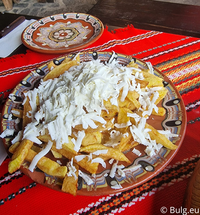
1. Fries with Bulgarian white cheese
A typical Bulgarian side dish is chips with white cheese. You can find this in almost every restaurant and it might not be something you would serve yourself.
Still, the combination of cheese with fries looks quite good and tastes surprisingly good.
Although every restaurant serves it differently, the basis is the same: fresh chips with some salt and grated Bulgarian (sheep) cheese sprinkled on top.
This dish is always surprisingly tasty, while you can get it for a good price.
2. Kufteta and Kebapche: Bulgarian specialties of minced meat
Kyufteta and Kebapche are typical Bulgarian delicacies made from pork.
Kyufteta are meatballs, but with a Bulgarian twist. They are usually made from mixed minced meat and flavoured with various herbs and spices.
The spices used in kyufteta can include garlic, onions, black pepper, paprika and fresh herbs. After seasoning, the minced meat is mixed and formed into small balls, which are then fried, grilled or boiled.
Kebapche is a traditional Bulgarian dish similar to kebab and meatballs. It consists of seasoned minced meat formed into oblong sausages that are grilled or fried.

The spices used can vary, but they often include garlic, onions, pepper and various spices, such as cumin.
Kebapche is often served as a side dish with sauce such as lutenitsa (a sauce made of tomatoes, peppers, aubergine and spices), along with bread and salad, for example.
It is a popular dish in Bulgaria and is often enjoyed during barbecues and festive occasions. The flavourful spices give kebapche a distinctive flavour loved by many people.
They are real culinary treats and can be had in any traditional restaurant for a good price!
3. Banitsa: excellent for breakfast or lunch
Banitsa is a traditional Bulgarian dish consisting of thin layers of dough filled with different ingredients. The dough is usually similar to filo dough or yufka dough.
The filling can be sweet or savory and often contains ingredients such as eggs, cheese (mostly Bulgarian white cheese) and yoghurt. Other possible fillings include spinach, pumpkin or minced meat.
The dough is placed in layers, each layer being brushed with melted butter or oil. The banitsa is then baked until the dough is golden brown and crispy.
There are several types of banitsa, of which vita banitsa is the best known.

Banitsa is popular in Bulgaria and is often eaten on various occasions, including holidays and family gatherings. It is known for its delicious taste and versatility as a savory or sweet dish.
Banitsa is mainly eaten for breakfast or lunch and is available at every bakery and many supermarkets.
4. Tarator: a refreshing yogurt soup
Tarator is a soup based on yoghurt and cucumbers. The main ingredient is yoghurt, often mixed with water to dilute the soup. It is flavoured with fresh cucumbers, garlic, dill and often walnuts.
It is served chilled and can be garnished with a dash of olive oil.
The soup has a refreshing and slightly sour flavour, and it is a popular choice in summer because of its cooling properties.

Tarator is considered a traditional Bulgarian dish and can also be found in other Balkan countries under different names and with some regional variations. It can be served as a starter or as a side dish.
5. Shopska salad: the national pride that can be found everywhere
Shopska salad is a colorful and refreshing Bulgarian salad consisting of simple, fresh ingredients. It reflects the Bulgarian flag with white cheese (white), cucumber (green) and tomato (red). It is therefore not surprising that the shopska salad is the most popular dish in Bulgaria!
The shopska salad is similar to the Greek salad and is a delicious fresh salad with tomatoes, green pepper, cucumber, red onion, Bulgarian white cheese, and often olives.
Shopska salad is a light and nutritious salad that is often served as a starter or as a side dish with grilled meats. It is known for its simple preparation and rich flavors.
The 3 best main dishes: lots of meat and fresh vegetables
In restaurants in Bansko and the surrounding villages, many of these traditional Bulgarian dishes are still prepared according to authentic recipes.
1. Kavarma: delicious meat stew
Kavarma is a Bulgarian dish consisting of stewed meat with vegetables. It is prepared by roasting or stewing meat, such as pork, chicken or lamb, with onions, peppers, tomatoes and spices. The dish can vary depending on the region and personal preferences.
Kavarma is usually seasoned with spices such as paprika, black pepper, thyme and bay leaf. Sometimes white wine is also added for extra flavour. The result is a deliciously flavourful stew with tender meat.
Like many other traditional dishes, kavarma is often prepared in an earthenware pot. It is also often served in such a pot.

It is a popular dish in Bulgarian cuisine and is often served with side dishes such as potatoes, rice or bread.
2. Shkembe Chorba: surprisingly delicious tripe soup
‘Shkembe chorba’ means dragon's breath. That's what it looks like and that's what it tastes like.
It is made from tripe. This is the first stomach of ruminants, in this case of the cow.
It doesn't sound very appetising, yet it is considered the ultimate comfort food in many countries worldwide. And for this soup, tripe is the main ingredient.
But don't let the idea of eating a stomach deter you; it tastes delicious!
The soup is perfect for a cold winter day to warm up with a hot soup.
Besides, it is said to be a good remedy for hangovers.
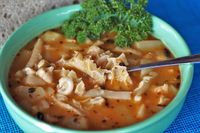
The soup contains some delicious ingredients that provide a rich flavour, such as paprika and chilli peppers. garlic, vinegar and milk are also important ingredients.
At first glance, it may not seem so appetising, but the soup is known for its rich flavour and basically everyone who tries it immediately loves it!
And if you can really just stand the idea of eating a stomach, you can replace the tripe with oyster mushrooms.
3. Sirene po Shopski: a simple oven dish in earthenware pot
Sirene po shopski is a well-known dish that originated in Bulgaria. ‘Sirene’ means cheese and this is the main ingredient of this dish. ‘Shopski’ stands for the Bulgarian region where this dish originated: Shopluk.
This is a region in western Bulgaria, which includes the capital Sofia.
It is a simple to prepare oven dish that, according to tradition, should be served in an earthenware pot. If you don't have one, an oven dish will do, of course.
Sirene po shopski is made with Bulgarian white cheese (which can be replaced with feta), eggs, pepper, tomato, onion and parsley, among other ingredients. Finally, butter is added to make it creamy.
Sirene po shopski is often served as a main dish, accompanied by bread to dip the delicious juices on. It is a popular dish in traditional Bulgarian taverns and is loved for its simple but rich flavours.
The 3 best local dishes in Bansko
The Bansko region is known for its use of many seasonal products and fresh vegetables.
1. Bansko kapama
Bansko kapama is a typical Bansko dish and is even named after it. It is a hearty dish consisting of slow-cooked meat (often pork) and various vegetables, such as cabbage and carrots. It also often contains rice, tomato sauce, garlic and onion.
It is flavoured with herbs and spices, making it a perfect meal to warm you up after a day in the mountains.
Bansko kapama is labour-intensive to make and is often seen as a dish for special occasions. It combines different types of meat with the savoury taste of sauerkraut and spices, making it a distinctive and flavourful dish within Bulgarian cuisine in Bansko.
2. Chomlek
Chomlek is a stew dish from Bulgarian cuisine. It is prepared with meat (usually lamb or pork), vegetables and spices. The specific ingredients may vary depending on the region and personal preferences, but the dish is known for its savoury taste and rich texture.
Seasonal vegetables are often added to the dish, giving it a surprisingly delicious and special taste all year round.
Chomlek is usually simmered slowly, mixing the flavours and making the meat tender. It is often served with bread, rice or potatoes.
Note that dish names can vary, and the exact composition of chomlek can differ depending on where it is prepared. After all, it is a regional dish!
3. Meshana Skara
Meshana Skara is a barbecue dish that includes different types of meat, such as pork, lamb, beef, chicken and sausages.
The meat is usually marinated in herbs and spices before being prepared on the grill.
The marinated pieces of meat are grilled on the barbecue until they are nicely cooked and juicy.
Meshana Skara is often served with an assortment of side dishes, including salads, grilled vegetables, potatoes or bread.
This dish is popular at summer gatherings, family parties and restaurants specialising in grilled meat. It is a social way of eating, with people enjoying different types of meat together, often combined with local sauces and spices.
The dish is served on a large board or plate, allowing everyone at the table to grab pieces of meat for themselves.
Famous Bulgarian drinks and desserts
One of the most popular desserts is ‘baklava’, a sweet pastry made of layers of filo pastry filled with chopped nuts and topped with sweet syrup.
Besides the delicious food, Bulgaria also has a number of traditional drinks worth trying. A popular drink is ‘rakia’, a strong brandy made from fruit, such as grapes, plums or apricots.
Another traditional drink is ‘boza’, a lightly alcoholic beverage made from fermented grains. Boza has a sweet, nutty flavour and is often served with cinnamon and drunk alongside banitsa.
Discover good restaurants in the Bansko area
There are endless restaurants to try in Bansko and its surroundings. Each restaurant has its own specialities. So there is a lot to try, but how nice is it to have a list available of the best (and affordable) restaurants in the area?
Here we list three great restaurants in Bansko and its surroundings!
- Chevermeto, Bansko: a cosy traditional Bulgarian restaurant. View location
- Mehana Babuch, Dobrinishte: one of the best traditional Bulgarian restaurants in the region. View location
- Restaurant Mechomiya, Razlog: on the edge of the city park, located in an old bathhouse from the Ottoman period. View location
Embrace the flavours of Bulgaria and discover its diverse culture
Although you might not expect it at first glance, Bulgaria offers a culinary experience like no other. Discover the delicious flavours of Bulgarian cuisine and be surprised by the diversity and richness of its dishes. Taste traditional dishes, enjoy local ingredients and immerse yourself in Bulgaria's warm hospitality.
Would you like to discover more about Bulgarian culture? Then click on the button below and discover Bulgarian culture!